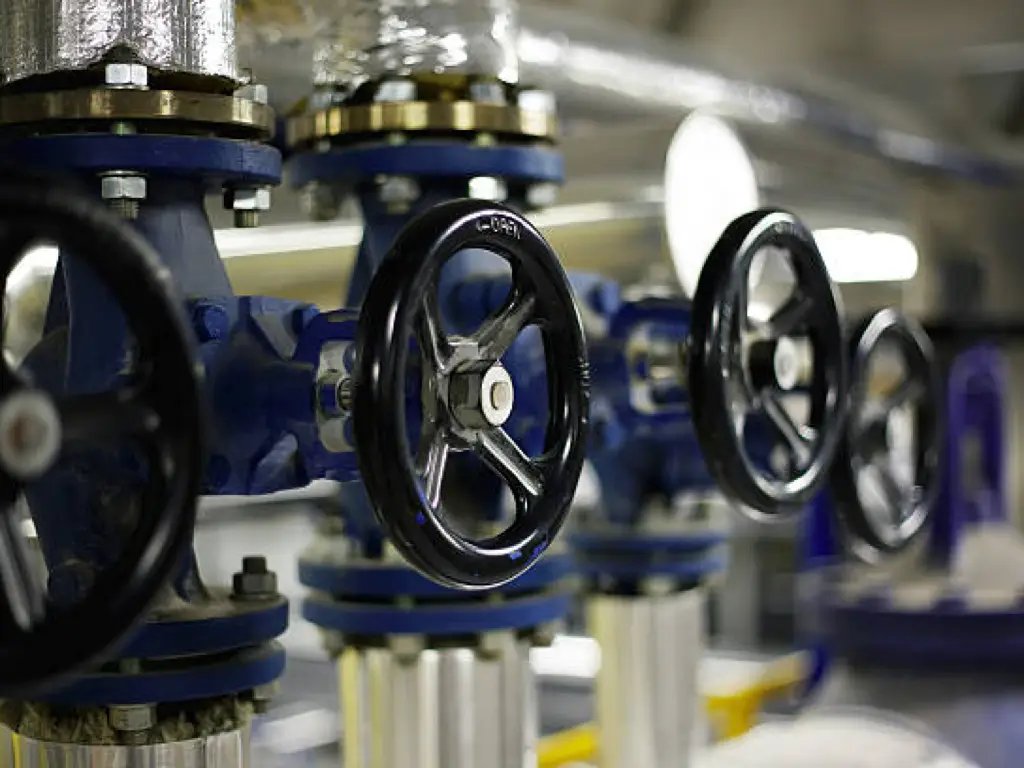
Control valve should always be in the fully open or fully closed position. This critical component in process control systems plays a crucial role in regulating flow rates. Keeping the control valve in a partially open position can lead to inefficiencies and potential damage. Understanding the proper positioning of control valves is essential for optimizing system performance and ensuring smooth operations. Let’s delve deeper into why the control valve should always be in what position.

Control Valve Should Always Be in What Position
Welcome to our blog where we’ll dive into the importance of control valve positions and why it matters for different systems. Control valves play a crucial role in regulating the flow of fluids in various industries, ensuring optimal performance and efficiency. Let’s explore why the right position for a control valve is essential for smooth operations!
Understanding Control Valve Positions
Control valves can be found in pipelines, pumps, and other systems where fluid flow needs to be controlled. These valves can be positioned in different ways to manage flow rates, pressure, and temperature. The position of a control valve determines how much fluid is allowed to pass through the system, affecting the overall performance.
The Open Position
When a control valve is fully open, it allows maximum flow through the system. This position is often used when high flow rates are required or during system startup. In the open position, the valve has minimal resistance, which helps prevent pressure build-up and ensures efficient fluid movement.
The Closed Position
Conversely, when a control valve is fully closed, it stops the flow of fluid completely. This position is crucial for maintenance, emergencies, or when system shutdown is needed. By closing the valve, operators can isolate sections of the system for repairs or prevent leaks during unexpected situations.
Importance of Proper Valve Positioning
Having control valves in the correct position is vital for the smooth operation of systems. Improper positioning can lead to inefficiencies, safety hazards, and even equipment damage. Let’s explore why control valves should always be in the right position:
Optimizing System Performance
By setting control valves to the appropriate position based on operating conditions, operators can optimize system performance. This ensures that the right amount of fluid is flowing through the system, preventing under or overloading of equipment.
Ensuring Safety
Proper valve positioning is crucial for maintaining safety in industrial settings. By having valves in the correct position, operators can prevent accidents, leaks, and other hazards that may arise from incorrect flow control. Safety should always be a top priority when working with control valves.
Prolonging Equipment Life
When control valves are in the right position, they help protect equipment from unnecessary wear and tear. By regulating flow rates and pressure effectively, valves can extend the lifespan of pumps, pipelines, and other components in the system.
Best Practices for Control Valve Positioning
Now that we understand why control valve positions are crucial, let’s look at some best practices for ensuring valves are always in the right position:
Regular Maintenance Checks
Operators should perform routine maintenance checks on control valves to ensure they are functioning correctly. This includes inspecting for leaks, corrosion, and proper positioning. By addressing issues promptly, operators can prevent costly downtime and repairs.
Calibration and Adjustment
Calibrating control valves regularly is essential to maintain accurate flow control. Valves may need adjustments over time due to changes in operating conditions or wear. By keeping valves properly calibrated, operators can ensure they are in the right position for optimal performance.
Monitoring Systems
Utilizing monitoring systems and sensors can help operators track the performance of control valves in real-time. By monitoring factors like flow rates, pressure, and temperature, operators can detect any deviations from the desired position and take corrective actions promptly.
In conclusion, the position of control valves plays a significant role in the efficient operation of systems in various industries. By understanding the importance of valve positioning and following best practices for maintenance and calibration, operators can ensure that control valves are always in the right position for optimal performance, safety, and equipment longevity.
What is control valve used for?
Frequently Asked Questions
What is the recommended position for a control valve?
The recommended position for a control valve depends on the specific process requirements and operating conditions. However, in general, control valves are typically set in the mid-position to allow for flexibility in adjusting the flow rate based on changing conditions.
Why should a control valve be kept in the mid-position?
Maintaining a control valve in the mid-position allows for better control over the flow rate. This position provides a balance between fully open and fully closed, ensuring that adjustments can be made quickly and accurately to meet the desired process parameters.
Can a control valve be left in any position?
While a control valve can technically be left in any position, it is generally recommended to keep it in the mid-position when not actively adjusting the flow rate. This helps to prevent unnecessary wear and tear on the valve components and ensures smoother operation when changes in flow are required.
Final Thoughts
In conclusion, the control valve should always be in the correct position to ensure optimal system efficiency. Proper positioning of the control valve is crucial for maintaining process stability and achieving desired performance. Neglecting to place the control valve in the right position can lead to system inefficiencies and potential safety hazards. Remember, the control valve should always be in what position for effective control and operation.