

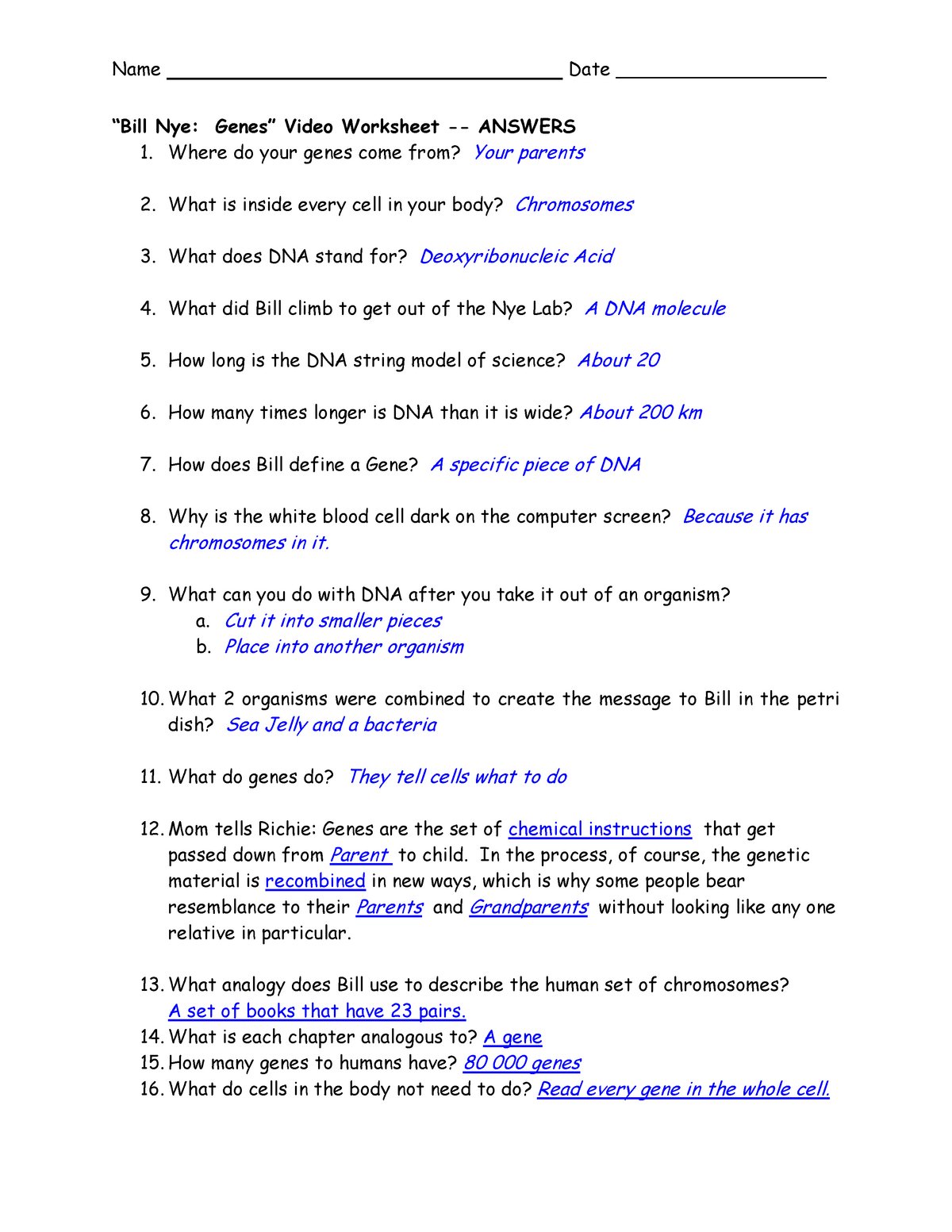
After you take DNA out of an organism, a world of possibilities unfolds. DNA extraction opens the door to a myriad of applications in various fields. You can analyze it to uncover genetic traits, design genetically modified organisms, or conduct forensic investigations. The ability to manipulate DNA shapes groundbreaking advancements in biotechnology and medical research. So, what can you do with DNA after you take it out of an organism? Let’s dive into the fascinating realm of possibilities awaiting those with the knowledge and tools to explore the genetic code.

What Can You Do With DNA After You Take It Out of an Organism?
Have you ever wondered what happens to the DNA inside living things once it’s taken out of their bodies? It turns out, there are so many fascinating things that scientists can do with DNA once it’s removed from an organism. From unlocking the mysteries of life to helping solve crimes, DNA holds incredible potential for research and discovery. Let’s delve into the exciting world of DNA and explore the various ways in which it can be used after being extracted from an organism.
The Basics of DNA
Before we dive into the incredible things you can do with DNA outside of an organism, let’s first understand what DNA is. DNA, short for deoxyribonucleic acid, is a molecule that contains the genetic instructions for the development, functioning, growth, and reproduction of all known living organisms. It’s like a blueprint that determines how living things look and function. DNA is made up of smaller units called nucleotides, which are arranged in a specific sequence that carries the genetic information.
Now that we have a basic understanding of what DNA is, let’s explore the amazing possibilities that come with studying and manipulating DNA outside of living organisms.
Genetic Engineering and Biotechnology
One of the most exciting applications of DNA outside of organisms is in the field of genetic engineering and biotechnology. Scientists can manipulate DNA in a controlled environment to introduce new traits or characteristics into organisms, a process known as genetic modification. This technology has revolutionized agriculture, medicine, and other fields.
In agriculture, genetically modified crops have been developed to exhibit traits such as resistance to pests, diseases, and harsh environmental conditions. By altering the DNA of plants, scientists have been able to create crops that are more resilient and productive, ultimately helping to address food security challenges around the world.
In medicine, genetic engineering has opened up new possibilities for treating genetic disorders and diseases. Scientists can modify DNA to correct genetic mutations or introduce therapeutic genes into cells, offering potential cures for previously incurable conditions.
Crime Solving and Forensic Science
DNA is also a powerful tool in the world of crime solving and forensic science. When DNA is extracted from a crime scene, it can provide crucial evidence to help identify suspects or exonerate innocent individuals. DNA profiling, also known as DNA fingerprinting, compares the DNA from the crime scene with the DNA of potential suspects to establish connections.
Forensic scientists can analyze even the smallest traces of DNA left behind at a crime scene, such as hair, blood, or skin cells, to create a genetic profile of the perpetrator. This technology has revolutionized criminal investigations and has been instrumental in solving cold cases and bringing perpetrators to justice.
Understanding Evolution and Human History
By studying DNA extracted from ancient specimens, scientists can gain valuable insights into the evolution of species and human history. DNA extracted from fossils, mummies, and archaeological remains can provide information about genetic diversity, migration patterns, and evolutionary relationships.
For example, DNA analysis of ancient human remains has helped researchers trace the migration routes of early human populations and uncover the genetic relationships between different groups. This has shed light on the origins of modern humans and our interconnected history as a species.
Medical Research and Personalized Medicine
Advancements in DNA sequencing technology have paved the way for personalized medicine, where treatments are tailored to an individual’s genetic makeup. By analyzing a person’s DNA, doctors can identify genetic predispositions to certain diseases, determine the most effective treatments, and predict how a person may respond to specific medications.
Medical researchers are also using DNA extracted from patients to study the genetic basis of diseases and develop targeted therapies. By understanding the genetic factors that contribute to diseases such as cancer, diabetes, and heart disease, scientists can develop more effective treatments and interventions.
The possibilities of what can be done with DNA after it’s taken out of an organism are truly limitless. From genetic engineering and forensic science to understanding evolution and personalized medicine, DNA holds the key to unlocking a wealth of knowledge about ourselves and the world around us.
As technology continues to advance, we can expect even more groundbreaking discoveries and applications of DNA research in the future. So, the next time you hear about DNA being used in a scientific breakthrough, remember the incredible potential that lies within this tiny molecule extracted from living organisms.
Stay curious, stay fascinated, and keep exploring the wonders of DNA!
How to see your own DNA without a microscope🧬
Frequently Asked Questions
What are some common uses of extracted DNA from an organism?
Extracted DNA can be used in various ways such as DNA sequencing for genetic analysis, genetic engineering to modify genes, forensic analysis for identifying individuals, and medical research to study genetic diseases.
How is extracted DNA used in genetic engineering?
Extracted DNA can be inserted into other organisms to modify their genetic makeup, create genetically modified organisms (GMOs), and produce desired traits such as disease resistance or increased crop yield.
Can extracted DNA be used in forensic analysis?
Yes, extracted DNA is crucial in forensic analysis for identifying individuals, solving crimes, and establishing paternity. DNA profiling techniques compare the extracted DNA sample to known genetic profiles to identify or exclude suspects.
How is extracted DNA utilized in medical research?
Extracted DNA is essential in medical research to study genetic diseases, develop personalized medicine based on individual genetic makeup, and explore targeted treatments for various health conditions.
Final Thoughts
After extracting DNA from an organism, various applications become possible. You can sequence the DNA to understand genetic information better. Furthermore, you can use it in genetic engineering to modify organisms. DNA can also be utilized in forensic analysis and medical diagnostics. Overall, the possibilities of what you can do with DNA after you take it out of an organism are extensive and diverse.


