When a patient undergoes bypass surgery, the biggest question families ask is simple: “How long will recovery take?”
It sounds like a straightforward question, but the answer is not.
Heart bypass surgery recovery time is not fixed. It varies from person to person, depending on age, overall health, the complexity of surgery, and most importantly the quality of post-surgery care. This is where cardiac rehabilitation becomes the most important, yet often overlooked, part of the journey.
In India, many families focus intensely on choosing the right hospital and surgeon. But once the surgery is done, recovery is often left unstructured. This gap leads to delayed healing, confusion, and sometimes avoidable complications.
Understanding what to expect and how structured recovery improves outcomes can make a significant difference.
Why Recovery Timelines Are Never the Same
Two patients can undergo the same procedure and still have completely different recovery journeys. One may regain strength within a few weeks, while another may struggle with fatigue and slow progress.
This variation in bypass surgery recovery time depends on several factors. Age plays a major role, as older patients generally take longer to regain strength. Pre-existing conditions such as diabetes, hypertension, or obesity also influence healing. The condition of the heart before surgery, and how early the intervention was done, can impact recovery speed as well.
However, one of the most decisive factors is what happens after discharge. Patients who follow a structured cardiac rehabilitation plan tend to recover faster and more safely than those who rely only on rest at home.
Understanding the Phases of Bypass Surgery Recovery
Recovery after bypass surgery is not a single phase. It progresses gradually, and each stage has its own challenges and milestones.
The Immediate Phase: First 7–10 Days
This phase usually takes place in the hospital. The focus is on stabilising the patient, managing pain, and monitoring vital signs. Patients are encouraged to sit up and start light movement early to prevent complications.
While this phase is critical, it is also the most controlled. Medical teams are constantly monitoring the patient, ensuring that any issue is addressed immediately.
The Early Recovery Phase: First 4–6 Weeks
Once discharged, patients enter the most vulnerable phase of bypass surgery recovery. This is where many families assume that rest alone is enough.
In reality, this phase requires careful balance. Too little activity can slow down recovery, while too much can strain the heart. Patients often experience fatigue, reduced stamina, and emotional fluctuations. Without guidance, it becomes difficult to understand what is normal and what is not.
This is where structured cardiac rehabilitation begins to show its value. Instead of leaving recovery to guesswork, it provides a clear, step-by-step plan.
The Rehabilitation Phase: 6–12 Weeks
This phase is the turning point in heart bypass surgery recovery time. With the right support, patients begin to regain strength, improve mobility, and rebuild confidence.
A structured cardiac rehabilitation approach during this period includes guided exercise, monitoring of vitals, dietary management, and gradual lifestyle adjustments. Progress is tracked and adjusted based on the patient’s condition.
Patients who undergo this phase in a disciplined environment often experience smoother and faster recovery.
The Long-Term Phase: 3–6 Months and Beyond
By this stage, most patients can return to many of their normal activities. However, full recovery is not just about physical healing. It also involves maintaining heart health, preventing future complications, and adopting long-term lifestyle changes.
Cardiac rehabilitation does not end abruptly. It transitions into a maintenance phase where patients continue to follow structured routines for better long-term outcomes.
The Reality of Recovery at Home
In India, most patients return home after surgery. Families take on the responsibility of caregiving, often without adequate guidance.
While home provides comfort, it also presents challenges. There is no structured routine, no clinical monitoring, and limited understanding of safe activity levels. Patients may either avoid movement out of fear or push themselves too hard in an attempt to recover quickly.
This uncertainty directly affects bypass surgery recovery time. Recovery becomes slower, less predictable, and sometimes riskier.
Why Cardiac Rehabilitation Changes the Outcome
Cardiac rehabilitation brings structure to recovery. It ensures that every step is guided, monitored, and aligned with the patient’s condition.
Instead of asking, “Is this normal?”, patients and families have a clear roadmap. Exercise is introduced gradually, vitals are tracked regularly, and progress is measured objectively.
This structured approach reduces complications, builds confidence, and improves overall recovery quality.
In clinical practice, patients who complete a proper cardiac rehabilitation program show better physical fitness, lower risk of readmission, and improved quality of life.
The Role of Care Homes and Rehab Centres
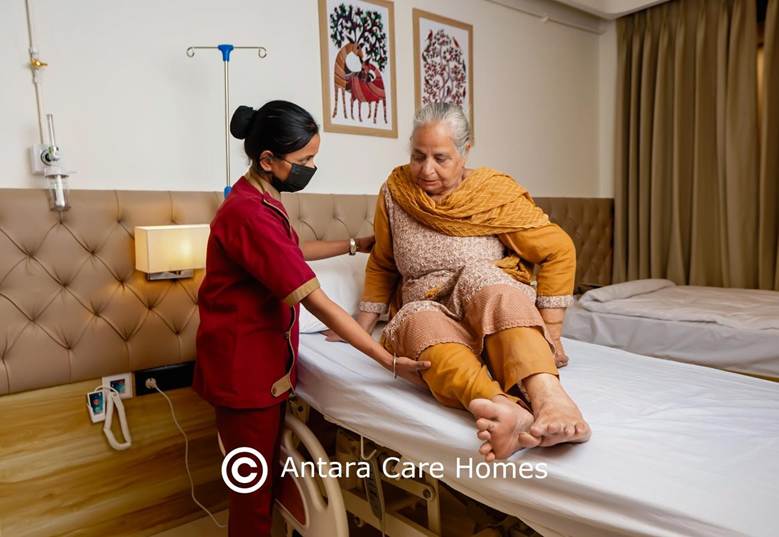
This is where a Care home or specialised rehab center becomes highly relevant. These environments are designed to bridge the gap between hospital care and home recovery.
However, when it comes to post-cardiac surgery recovery, Care homes are often better equipped than standalone rehab centres. While rehab centres may focus primarily on therapy sessions, Care homes offer a more comprehensive, round-the-clock care environment. This includes continuous medical supervision, nursing support, emergency readiness, and integrated daily care—all of which are critical during cardiac recovery.
Unlike standalone setups that may operate for limited hours or focus only on rehabilitation sessions, Care homes ensure that patients are supported throughout the day and night. Recovery after heart surgery is not limited to exercise alone it involves medication management, diet, monitoring, and immediate response to any change in condition. This level of integrated care is where Care homes create a clear advantage.
Patients in such environments benefit from structured routines, guided rehabilitation, and constant monitoring. Recovery is not left to chance it is planned, supervised, and adjusted in real time based on the patient’s progress.
For families, this also reduces the burden of caregiving. Instead of managing everything alone or coordinating between multiple providers, they can rely on a single, structured ecosystem that supports both medical and emotional needs.
Why Established Providers Deliver Better Recovery
Recovery after heart surgery is not just about facilities. It is about consistency, expertise, and accountability.
Established providers bring together multidisciplinary teams, standardised protocols, and strong clinical governance. This ensures that recovery is not dependent on individual effort alone, but on a proven system.
Smaller setups or unstructured environments may lack this depth. They may provide basic support, but often fall short when it comes to comprehensive rehabilitation—especially in complex cases like cardiac recovery, where continuous monitoring and timely intervention are critical.
In contrast, organised Care home environments focus on delivering measurable outcomes. They track progress closely, adapt rehabilitation plans as needed, and ensure that patients receive the right level of care at every stage of recovery. This structured and accountable approach significantly improves both recovery speed and overall patient confidence.
Indian Context: Why Structured Rehab Is Becoming Essential
India is witnessing a steady rise in cardiovascular diseases. With more patients undergoing bypass surgery, the need for structured recovery solutions is increasing.
At the same time, urban lifestyles and nuclear families are making it harder to manage recovery at home. Working professionals often struggle to balance caregiving with their responsibilities, leading to gaps in care.
This is driving a shift towards cardiac rehabilitation programs offered by professional care environments. Families are beginning to recognise that recovery is not just about rest—it is about guided, medically supervised healing.
Setting Realistic Expectations for Recovery
One of the most important aspects of recovery is setting the right expectations.
Many families expect quick results, assuming that surgery has “fixed” the problem. When recovery feels slow, it creates anxiety and frustration.
In reality, heart bypass surgery recovery time is gradual. It requires patience, consistency, and the right support system. Progress may feel slow in the beginning, but with structured cardiac rehabilitation, it becomes more predictable and effective.
Understanding this helps families stay committed to the recovery process.
A Situation Many Families Face
A patient returns home after bypass surgery. The first week goes well, but soon fatigue increases. Walking becomes irregular, appetite fluctuates, and confidence drops.
The family assumes this is normal recovery.
But what is missing is structured cardiac rehabilitation.
With the right program in place, recovery could have been smoother, faster, and less stressful for everyone involved.
The Clinical Perspective
From a medical standpoint, cardiac rehabilitation is considered a standard part of treatment after bypass surgery. It is not an optional add-on.
Global and Indian clinical guidelines emphasise its importance in improving outcomes and reducing long-term risks. It complements surgery and medication, completing the recovery process.
Ignoring it means leaving recovery incomplete.
Conclusion
Heart bypass surgery recovery time is not defined by the surgery alone. It is shaped by what happens afterward.
Without structure, recovery becomes uncertain. With cardiac rehabilitation, it becomes guided, measurable, and safer.
For families navigating bypass surgery, the focus should not end at choosing the right hospital. It should extend to planning the right recovery journey.
Because in the end, surgery saves the heart—but rehabilitation restores life.