

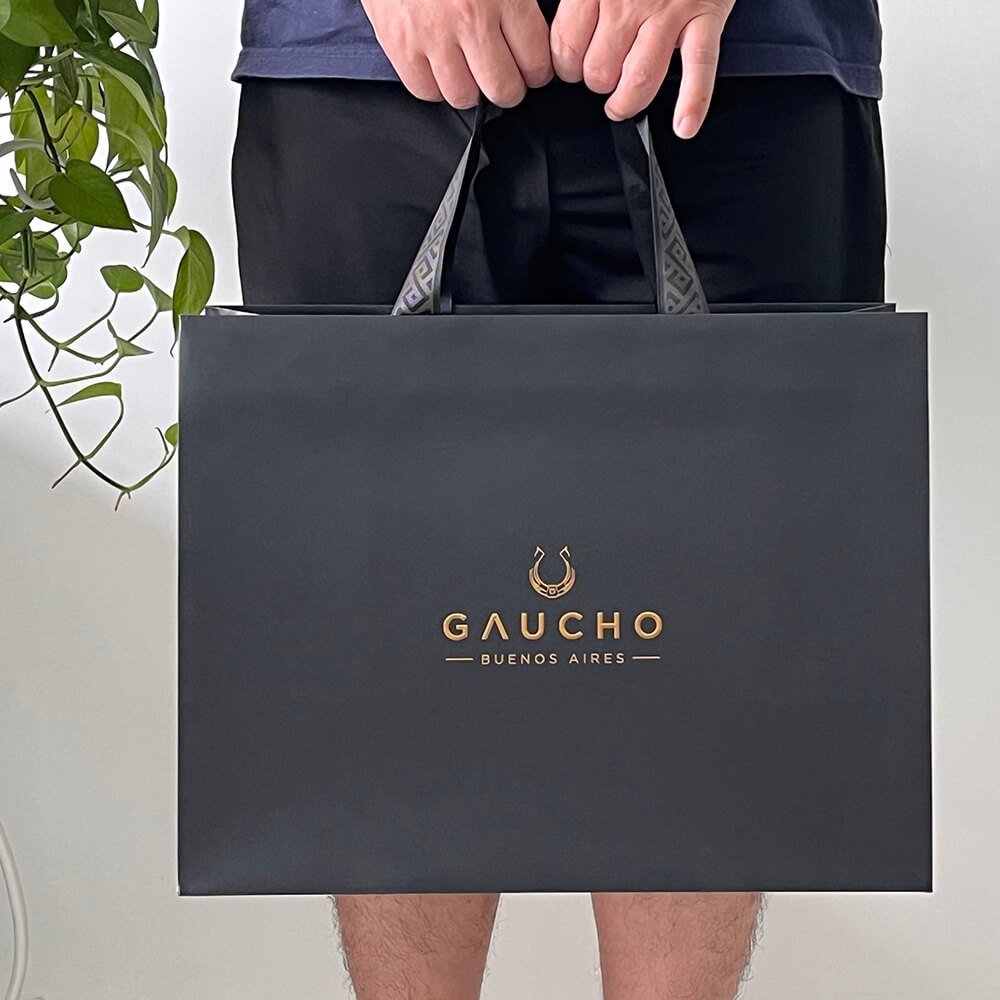
Paper bags are versatile and eco-friendly alternatives to plastic. Lightweight yet sturdy, they offer excellent durability and recyclability. What are the properties of a paper bag? Let’s explore the strength, biodegradability, and customization options that make them a popular choice. From grocery shopping to gift packaging, paper bags are a sustainable solution for a variety of purposes.

Exploring the Properties of a Paper Bag
Welcome to our in-depth exploration of the properties of a paper bag! Have you ever wondered what makes a paper bag such a popular choice for carrying items? Let’s dive into the fascinating characteristics that make paper bags unique and versatile.
The Material of a Paper Bag
One of the key properties of a paper bag is its main material—paper! Paper bags are typically made from kraft paper, which is a strong and durable type of paper. Kraft paper is derived from wood pulp and is known for its excellent strength-to-weight ratio. This makes it ideal for holding various items without tearing or breaking easily.
Strength and Durability
Despite being made of paper, paper bags are surprisingly strong. The fibers in kraft paper are interwoven in a way that gives the bag its strength. This enables paper bags to hold heavy items without tearing or ripping. Whether you’re carrying groceries, books, or other items, a paper bag can handle the weight with ease.
Flexibility
Another remarkable property of paper bags is their flexibility. Unlike rigid containers, paper bags can be easily folded, twisted, or shaped to accommodate items of various shapes and sizes. This flexibility makes paper bags versatile for different types of items, from clothing to food to gifts.
Environmental Friendliness
One of the most appealing properties of paper bags is their eco-friendly nature. Unlike plastic bags that can take hundreds of years to decompose, paper bags are biodegradable and recyclable. This means that they can break down naturally over time, reducing their impact on the environment.
Renewable Resource
Another environmentally friendly aspect of paper bags is that they are made from a renewable resource—trees. The trees used to make kraft paper are harvested from sustainably managed forests, ensuring that new trees are planted to replace the ones that are cut down. This sustainable practice helps to conserve forests and reduce the carbon footprint of paper bag production.
Recyclability
After serving their purpose, paper bags can be easily recycled to create new paper products. Recycling paper bags helps to save energy and reduce waste in landfills. By choosing paper bags over plastic bags, you’re making a positive choice for the environment.
Appearance and Customizability
Paper bags come in a variety of shapes, sizes, and designs, making them not only practical but also aesthetically pleasing. The smooth surface of kraft paper provides an excellent canvas for printing logos, patterns, and messages. This customizability allows businesses to create unique branding opportunities with their paper bags.
Printability
One of the standout properties of a paper bag is its printability. Whether you want a colorful design, a sleek logo, or an eye-catching pattern, paper bags can be easily printed with high-quality graphics. This makes them a popular choice for retail stores, gift shops, and promotional events.
Handles and Reinforcements
To enhance usability, paper bags often come with handles for easy carrying. These handles can be made of paper, rope, or other materials, providing convenience for shoppers. Additionally, some paper bags feature reinforced bottoms or gussets for added strength and stability.
Insulation and Breathability
While paper bags may not offer the same level of insulation as plastic or insulated bags, they do provide a certain level of breathability. This can be beneficial when carrying items that need to breathe, such as fresh produce or bakery goods. Paper bags allow air to circulate, helping to maintain the freshness of the contents.
Moisture Absorption
One property of paper bags that sets them apart is their ability to absorb moisture. If you place damp or wet items in a paper bag, the paper will absorb some of the moisture, helping to prevent leaks or damage to the bag. This can be especially useful when carrying items that may sweat or leak.
Biodegradability
Unlike plastic bags that can linger in the environment for hundreds of years, paper bags are biodegradable. This means that they will naturally break down over time, returning to the earth without leaving harmful residues. Choosing biodegradable paper bags is a simple yet impactful way to reduce waste and protect the planet.
As we’ve explored the properties of a paper bag, we’ve discovered the remarkable characteristics that make it a versatile, eco-friendly, and practical choice for carrying items. From its strength and flexibility to its environmental friendliness and customizability, a paper bag offers a unique combination of properties that cater to various needs and preferences.
Next time you reach for a paper bag at the store or receive one with a purchase, take a moment to appreciate the many properties that make it such a valuable everyday item. Whether you’re using it for shopping, gifting, or organizing, a paper bag’s properties make it a reliable companion in a world that values sustainability and practicality.
Paper bag Characteristics: High-barrier and resistance to oxygen penetrate and so on.
Frequently Asked Questions
What is the typical material used to make paper bags?
Paper bags are commonly made from kraft paper, which is a sturdy type of paper produced from chemical pulp.
What are the key properties of paper bags?
Paper bags are lightweight yet durable, recyclable, biodegradable, and can be easily customized with designs or logos.
Are paper bags water-resistant?
Although paper bags are not completely waterproof, some may have a thin coating or be treated to provide some level of water resistance.
Can paper bags be reused?
Yes, paper bags can often be reused multiple times for various purposes such as carrying groceries, storing items, or as gift bags before being recycled.
Final Thoughts
In conclusion, the properties of a paper bag make it an eco-friendly and versatile packaging option. Its lightweight design, durability, and recyclability set it apart from plastic bags. The sustainability factor of paper bags lies in their biodegradability and renewability. Choosing paper bags aligns with environmentally conscious choices due to their compostable nature and minimal impact on the planet. Remember, when considering packaging options, always keep in mind what the properties of a paper bag offer in terms of sustainability and practicality.


