

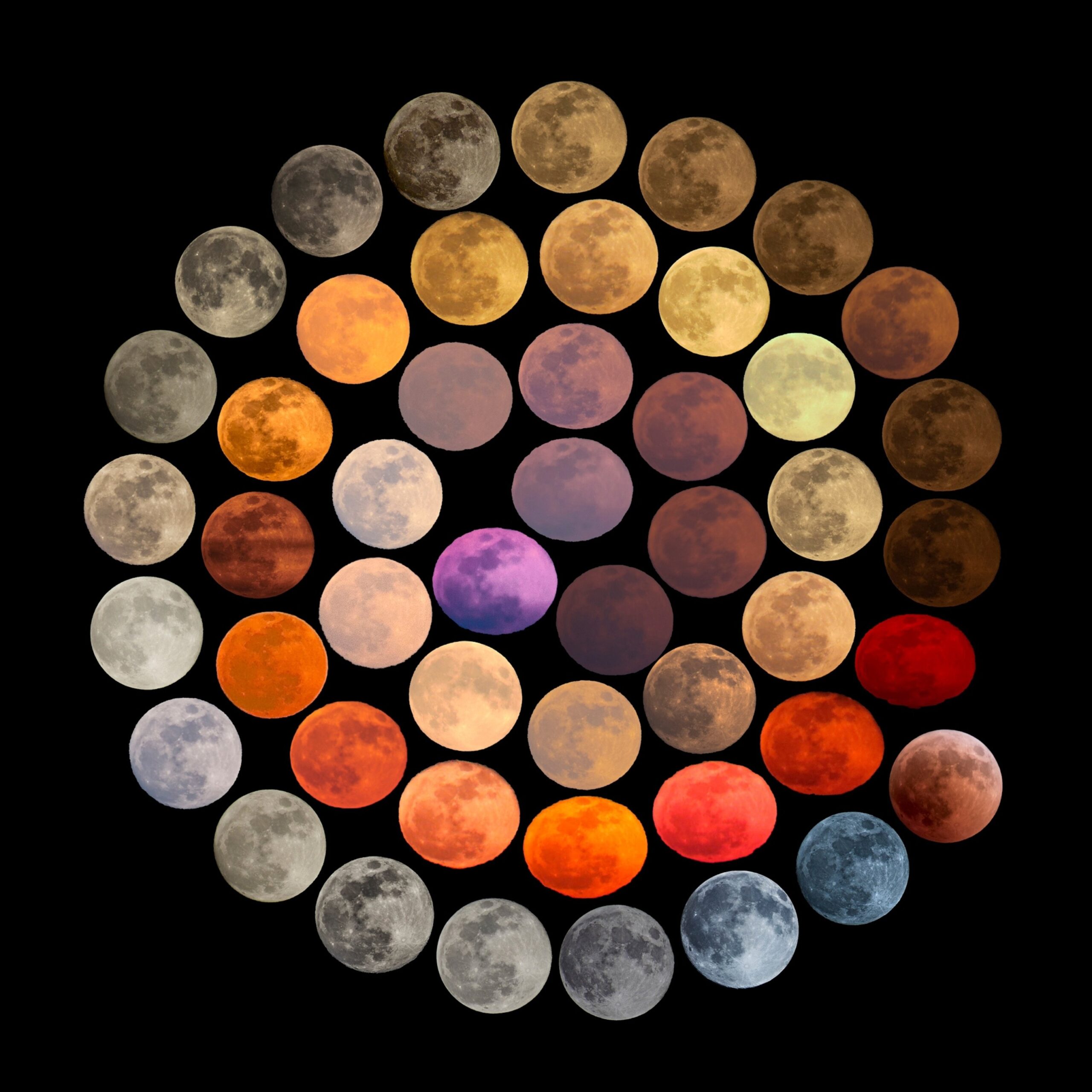
The moon can appear in a spectrum of enchanting hues, from pale silver to fiery red. Its coloration is not fixed but can change based on various factors. What colors can the moon be, you ask? Let’s explore the intriguing possibilities that paint the night sky. Dive into the mesmerizing world of lunar hues and uncover the secrets of its ever-changing colors. Join us on a celestial journey as we unravel the mysteries of the moon’s captivating palette.

Discovering the Magical Colors of the Moon
Have you ever looked up at the night sky and wondered, “What colors can the moon be?” The moon, Earth’s natural satellite, has captivated humans for centuries with its mystical beauty. While many of us are familiar with the moon appearing white or a pale yellow, did you know that the moon can actually showcase a variety of colors depending on certain factors? Let’s embark on an exciting journey to unravel the mesmerizing hues of the moon and dive into the captivating world of lunar colors.
The Science Behind the Moon’s Colors
To understand the colors of the moon, we first need to explore the science behind this celestial phenomenon. The moon itself does not emit light; instead, it reflects the light of the sun. The sun’s light is composed of various colors, which we see as white when combined. When sunlight hits the moon’s surface, the composition of the lunar soil, known as regolith, affects how the light is reflected back to us on Earth.
1. White Moon
The most common color we associate with the moon is white. When the moon appears white, it is due to the sunlight hitting the lunar surface and being reflected back evenly, creating a brilliant white glow. This pristine white color is what most of us visualize when we gaze at the moon on a clear night.
2. Yellow Moon
Have you ever noticed the moon looking yellowish at times? This golden hue can be attributed to the Earth’s atmosphere. When the moon is low on the horizon, the light from the sun has to pass through a greater thickness of the atmosphere. During this journey, the shorter blue wavelengths get scattered, leaving behind the longer red and yellow wavelengths. As a result, the moon takes on a warm, yellow tint, creating a breathtaking sight.
Unveiling the Mystical Lunar Colors
While white and yellow are the most commonly observed colors of the moon, there are instances where the moon can showcase rare and mesmerizing hues that leave us in awe of its beauty.
3. Blood Moon
One of the most captivating lunar phenomena is the Blood Moon. This striking spectacle occurs during a total lunar eclipse when the Earth aligns between the sun and the moon. As sunlight passes through the Earth’s atmosphere, the shorter blue and green wavelengths scatter, leaving only the longer red wavelengths to illuminate the moon. The result is a deep red or coppery hue that blankets the lunar surface, creating a mesmerizing Blood Moon that has inspired myths and legends throughout history.
4. Blue Moon
Contrary to its name, a Blue Moon rarely appears blue in color. The term “Blue Moon” actually refers to the second full moon in a calendar month, which occurs approximately once every two to three years. However, in certain atmospheric conditions, such as after volcanic eruptions or wildfires, particles in the air can scatter red light, allowing blue light to pass through. This can give the moon a bluish tinge, though it is a rare occurrence and not a frequent sight.
5. Orange Moon
During specific times of the year, such as harvest season, the moon can appear as a mesmerizing orange color. This warm and inviting hue is often seen when the moon is low on the horizon, much like the yellow moon effect. The combination of the Earth’s atmosphere and the angle of the moon’s light can create a stunning orange glow that adds a touch of magic to the night sky.
Exploring the Moon’s Ever-Changing Colors
The colors of the moon are not fixed and can vary based on a multitude of factors, including atmospheric conditions, lunar phases, and even human activities. Each time you gaze up at the moon, you may witness a different shade or hue, adding to the mystique and wonder of this celestial body.
As we delve deeper into the enchanting world of lunar colors, it becomes evident that the moon is a canvas of ever-changing beauty, offering us a glimpse into the vastness and diversity of the universe. Whether it’s the ethereal white glow, the fiery red of a Blood Moon, or the rare blue tint of a Blue Moon, each color reflects a unique interplay of light and nature that continues to inspire and captivate us.
So, the next time you gaze up at the night sky and ponder the question, “What colors can the moon be?” remember that the moon is a celestial artist, painting the canvas of the night with its enchanting hues, inviting us to marvel at its timeless beauty and the mysteries of the universe.
Moon can have a dozen different colors, here's why
Frequently Asked Questions
What factors influence the color of the moon?
The color of the moon can vary due to several factors, including the presence of particles in the Earth’s atmosphere, the moon’s position in the sky, and the amount of light reflecting off its surface.
Why does the moon sometimes appear white or gray?
When the moon is high in the sky and the Earth’s atmosphere is clear, it can appear white or gray because the sunlight reflecting off its surface is not significantly affected by atmospheric conditions.
What causes the moon to appear red or orange?
During a lunar eclipse or when the moon is near the horizon, its light passes through more of the Earth’s atmosphere, scattering shorter wavelengths of light. This can make the moon appear red or orange due to the longer wavelengths being refracted towards us.
Can the moon ever appear other colors besides white, gray, red, or orange?
While white, gray, red, and orange are the most common colors the moon can appear, it is possible for it to exhibit other hues such as yellow or even a bluish tint under certain atmospheric conditions or during specific events like volcanic eruptions.
Final Thoughts
The moon can appear in various colors, depending on atmospheric conditions. It can appear white, gray, yellow, or even orange due to factors like the Earth’s atmosphere, angle of observation, and presence of particles. These conditions can create stunning visual effects, leading to the perception of different colors. Understanding what colors can the moon be adds to the beauty and mystery of observing celestial phenomena.

