

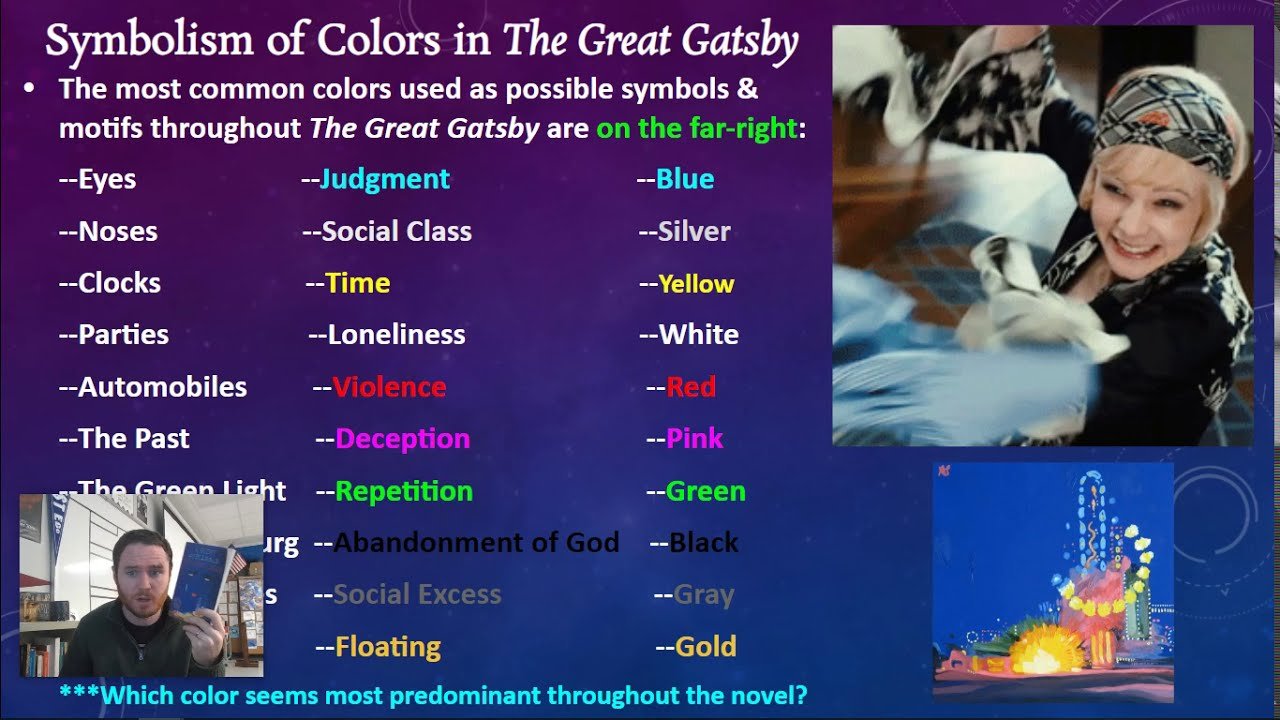
Blue in “The Great Gatsby” symbolizes illusions and a longing for the unattainable. The iconic color permeates the narrative, embodying themes of wealth, dreams, and the elusive nature of the American Dream. Jay Gatsby’s obsession with the green light across the bay, often portrayed as blue, reflects his unattainable dream of rekindling his past with Daisy Buchanan. The color blue, in its various shades, weaves a complex tapestry of desire, loss, and the blurred lines between reality and fantasy in F. Scott Fitzgerald’s masterpiece.

What Does Blue Represent in The Great Gatsby
Welcome, young readers, to a magical world where colors hold hidden meanings and stories within stories unfold. Today, we delve into the captivating world of F. Scott Fitzgerald’s classic novel, “The Great Gatsby,” to unravel the mysteries of one particular hue – blue. In this enchanting tale of love, wealth, and tragedy, the color blue emerges as a symbol of longing, illusion, and the unattainable. Join me on this journey as we explore the significance of blue in the grand tapestry of Gatsby’s world.
The Allure of Blue in The Great Gatsby
Imagine a vast ocean stretching out before you, its deep blue waters calling out to your soul. This is the world of “The Great Gatsby,” where blue is not just a color but a powerful symbol that weaves its way through the lives of the characters. In Gatsby’s world, blue represents a sense of yearning and unfulfilled dreams. It is the color of the sky on a summer night, filled with stars that seem so close yet remain out of reach.
The Blue of Jay Gatsby’s Dreams
At the heart of “The Great Gatsby” is the enigmatic figure of Jay Gatsby himself, a man driven by his relentless pursuit of the American Dream. Gatsby’s mansion, with its elaborate parties and air of mystery, is bathed in shades of blue – from the shimmering blue silk of Gatsby’s shirts to the blue gardens where he waits for the love of his life, Daisy Buchanan. For Gatsby, blue symbolizes his undying love for Daisy, a love that is as vast and unattainable as the boundless sky.
The Blue of Illusion and Deception
Yet, blue in “The Great Gatsby” is not just a color of love and yearning; it also carries darker connotations. The character of Tom Buchanan, Daisy’s husband, is associated with the color blue in a different light. His eyes, described as “two shining arrogant eyes of blue,” reflect his cold and callous nature. In Tom’s world, blue represents deception and the facade of wealth and power that masks his inner darkness.
The Symbolism of Blue in Gatsby’s World
As we journey deeper into the world of “The Great Gatsby,” we begin to see how blue is not just a color but a symbol that carries layers of meaning. In Gatsby’s world, blue represents the illusion of the American Dream, the yearning for a love that is forever out of reach, and the deceptive nature of appearances. It is a color that shimmers and shifts, drawing us into a world where reality blurs with fantasy and dreams collide with harsh truths.
The Ocean of Possibilities
Blue in “The Great Gatsby” is like an ocean, vast and unknowable, full of possibilities and hidden depths. It is a color that reflects the ever-changing nature of Gatsby’s world, where dreams can be as fragile as glass and love as elusive as a whisper on the wind. In the end, blue in “The Great Gatsby” reminds us that life is a complex tapestry of hopes and desires, illusions and realities, all woven together in a dazzling display of color and light.
The Legacy of Blue in Literature
As we bid farewell to the world of “The Great Gatsby,” let us remember the enduring legacy of blue in literature. This color, with its rich symbolism and evocative power, has captivated readers for generations, calling out to our hearts and minds with its timeless allure. In the end, blue in “The Great Gatsby” is more than just a color – it is a symbol of the human experience, a mirror reflecting our deepest desires and fears, our hopes and aspirations.
So, young readers, as you close the pages of “The Great Gatsby” and return to your own world, remember the power of blue. Let it guide you on your own journey of discovery, leading you through the realms of longing and illusion, love and loss. For in the world of literature, as in life, the color blue will always be there, whispering its secrets and inviting you to explore the mysteries that lie beyond.
Until next time, happy reading!
What Is The Color Symbolism In The Great Gatsby? – Fictional Journeys
Frequently Asked Questions
What significance does the color blue hold in “The Great Gatsby”?
In “The Great Gatsby,” the color blue is often associated with illusions, unattainable desires, and the facade of wealth and status. Characters like Jay Gatsby and Daisy Buchanan are frequently depicted wearing or surrounded by blue, symbolizing their unfulfilled dreams and the superficiality of their glamorous lives.
How does the color blue reflect the theme of unattainable dreams in the novel?
The color blue in “The Great Gatsby” serves as a metaphor for the characters’ unreachable aspirations and the emptiness that lies beneath their glittering façades. It represents the elusive nature of the American Dream and the futility of chasing after material wealth and social status.
What role does the color blue play in portraying the characters’ emotional struggles?
In “The Great Gatsby,” the color blue is used to convey the characters’ inner turmoil and emotional conflicts. It symbolizes their feelings of sadness, longing, and disillusionment, highlighting the emptiness and dissatisfaction that lies beneath their glamorous lifestyles.
Final Thoughts
In “The Great Gatsby,” the color blue symbolizes illusions, dreams, and unattainable desires. The blue hues present throughout the novel reflect Gatsby’s unreachable quest for Daisy’s love. Blue also represents the superficiality and emptiness underlying the luxurious lifestyles of the characters. Ultimately, the color blue in “The Great Gatsby” serves as a poignant reminder of the characters’ inability to grasp their fleeting desires.

