

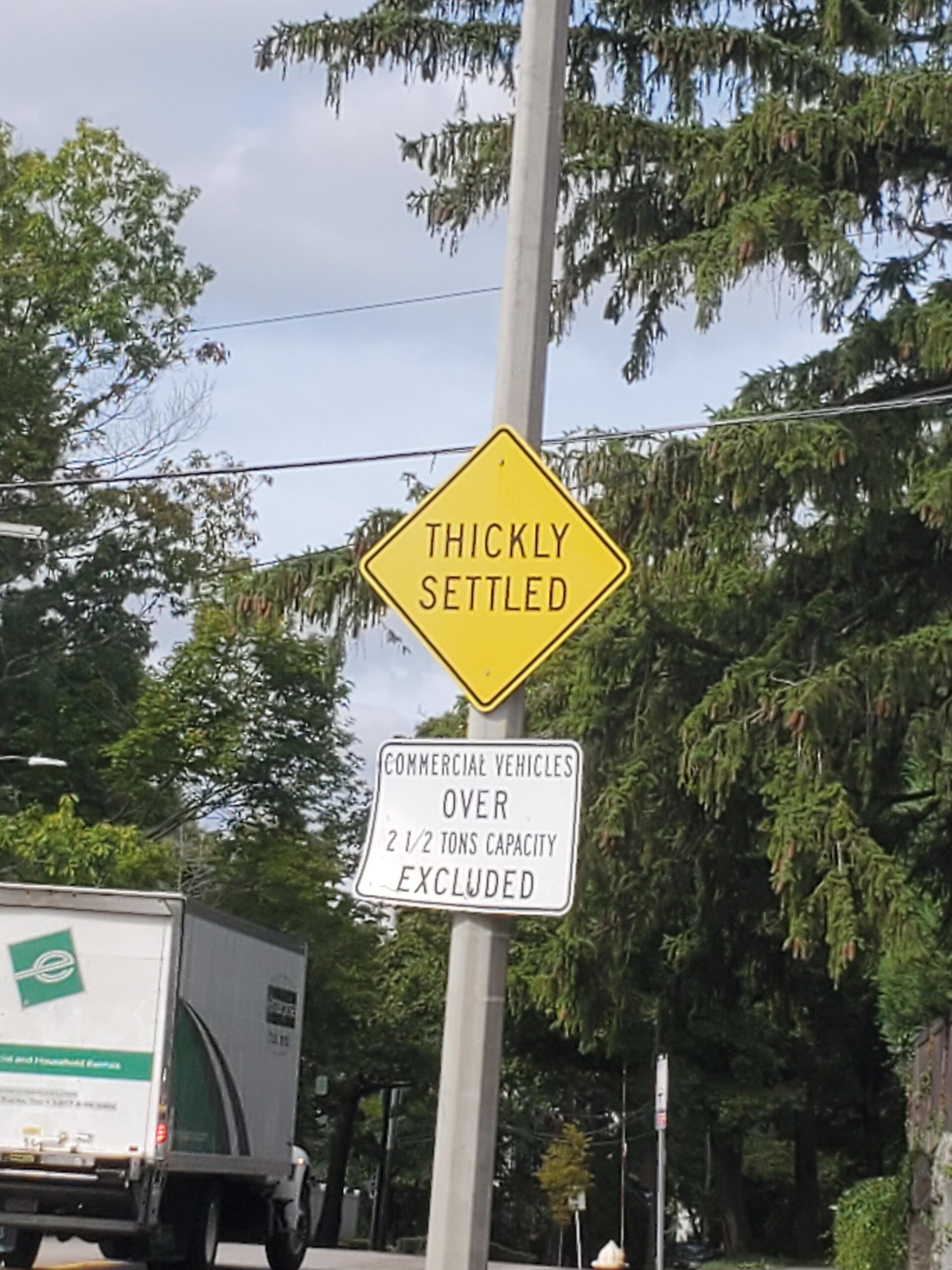
“What does thickly settled mean? If you’ve ever come across this term while driving, you might have wondered about its significance. In simple terms, ‘thickly settled’ refers to areas with high population density where homes and buildings are located close together. These zones often require drivers to exercise extra caution due to the higher risk of accidents. Understanding the definition of ‘thickly settled’ can help you navigate such areas more safely and responsibly.”

What Does Thickly Settled Mean?
Welcome, young adventurers, to our exploration of what the term “thickly settled” means. Have you ever seen a road sign that says “Thickly Settled”? It may sound a bit mysterious, but fear not! By the end of this journey, you’ll be a seasoned traveler in the land of road signs and urban planning lingo.
Unveiling the Mystery of Thickly Settled
Let’s start at the beginning. The term ‘thickly settled’ is not as complicated as it may seem. In simple terms, when an area is marked as ‘thickly settled,’ it indicates that the place has a high concentration of houses, buildings, and people living close together. Imagine a bustling neighborhood with houses lined up one after another, like a row of colorful dominos ready to topple at any moment.
Why Are Some Areas Marked as Thickly Settled?
Now, you might be wondering, why do we need to label certain areas as ‘thickly settled’? Well, these markings serve an essential purpose in helping drivers understand the nature of the area they are entering. When you see a ‘Thickly Settled’ sign, it’s a signal to be extra cautious and mindful of the surroundings. With so many homes and people around, the roads can be busier, and unexpected actions may happen at any time.
The Role of Urban Planning
Urban planners, who are like the architects of cities and towns, use terms like ‘thickly settled’ to plan and organize communities effectively. By identifying areas with dense population and structures, they can create better road designs, allocate resources, and ensure the safety and well-being of residents.
Characteristics of Thickly Settled Areas
As we journey deeper into the realm of ‘thickly settled’ regions, let’s uncover some of the unique characteristics you might encounter:
1. Tight Spaces
In thickly settled areas, the houses and buildings are often built close to each other, leaving little room for sprawling gardens or wide open spaces. The streets may be narrow, with cars parked along the sides, making it challenging to navigate through the maze of buildings.
2. Vibrant Communities
Despite the tight spaces, thickly settled areas are often vibrant and lively. You’ll find shops, restaurants, schools, and parks nestled amidst the bustling neighborhood, creating a sense of community and togetherness among the residents.
3. Traffic and Pedestrian Safety
Due to the high population density, traffic and pedestrian safety are crucial in thickly settled areas. Drivers need to be extra cautious, watch out for pedestrians crossing the streets, and adhere to lower speed limits to ensure the safety of everyone sharing the roads.
Driving Through Thickly Settled Areas
Now that you’ve learned about the intricacies of ‘thickly settled’ areas, let’s delve into some essential tips for driving through these vibrant neighborhoods:
1. Mind Your Speed
When entering a thickly settled area, slow down and pay extra attention to your speed. Lower speed limits are often in place to ensure the safety of residents and pedestrians, so be sure to adhere to the posted signs.
2. Watch for Pedestrians
With so many people living in close proximity, pedestrians are a common sight in thickly settled areas. Always be on the lookout for pedestrians crossing the streets and give them the right of way to ensure their safety.
3. Stay Alert
Driving through a thickly settled area requires heightened awareness and alertness. Be prepared for unexpected stops, turns, and interactions with other vehicles. Keeping your eyes on the road and staying focused are essential for safe navigation.
Congratulations, young adventurers! You’ve successfully unlocked the secrets of what ‘thickly settled’ means and how it impacts the communities around us. The next time you see a ‘Thickly Settled’ sign, remember the vibrant neighborhoods, bustling streets, and the importance of safety in these densely populated areas. Until our next adventure, happy exploring!
Thickly settled? What does that mean? #youtubeshorts
Frequently Asked Questions
What is the meaning of “thickly settled”?
“Thickly settled” refers to an area where there is a high concentration of houses, buildings, or population, making it densely populated or heavily developed.
How does the term “thickly settled” impact driving conditions?
Areas designated as “thickly settled” typically have restricted speed limits and require extra caution from drivers due to the increased presence of pedestrians, cyclists, and vehicles in close proximity.
Are there specific laws or regulations related to driving in a “thickly settled” area?
Yes, in many jurisdictions, there are laws that require drivers to adhere to lower speed limits in “thickly settled” areas to ensure the safety of all road users and reduce the likelihood of accidents.
Can road signs indicate when a driver is entering a “thickly settled” area?
Yes, traffic signs such as “Thickly Settled” or “Reduce Speed” are often used to notify drivers when they are entering a densely populated area, prompting them to drive with increased caution and awareness.
Final Thoughts
In conclusion, the term “thickly settled” refers to areas with a high population density. These areas typically have closely spaced buildings and heavy traffic. Understanding what does thickly settled mean is crucial for navigating road regulations and ensuring safety in densely populated areas. Drivers should exercise caution and be aware of the specific rules and restrictions that apply in these locations.

