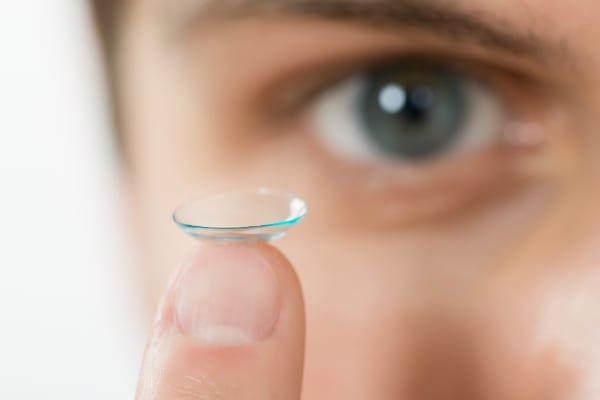
Leaving contacts in too long can lead to severe eye complications. Over-wearing contacts deprives your eyes of oxygen, causing discomfort and potential damage. Extended wear increases the risk of eye infections and corneal ulcers. It’s crucial to follow proper wear and replacement schedules to maintain healthy eyes. Remember, when it comes to contact lenses, safety and comfort should always come first.

What Happens If You Leave Contacts in Too Long
The Importance of Proper Contact Lens Care
When it comes to taking care of your eyes, proper contact lens care is crucial. Contact lenses are a convenient and effective way to correct your vision, but if not cared for correctly, they can pose risks to your eye health. One common mistake many people make is leaving their contacts in for too long. Let’s delve into what happens if you leave contacts in too long and why it is essential to follow the recommended guidelines for wearing and caring for your contact lenses.
What Are Contact Lenses?
Contact lenses are thin, curved discs made of various materials that are placed directly on the cornea of your eye. They are used to correct vision problems such as nearsightedness, farsightedness, astigmatism, and presbyopia. Contact lenses function by altering the way light enters the eye, helping to focus images correctly on the retina for clear vision.
Signs You’ve Left Your Contacts in Too Long
Leaving your contacts in for an extended period can lead to various complications. Some common signs that indicate you may have left your contacts in too long include:
- Eye redness
- Discomfort or irritation
- Blurred vision
- Sensitivity to light
- Excessive tearing
These symptoms are your eyes’ way of signaling that something is not right, and it’s crucial to pay attention to them.
Effects of Leaving Contacts in Too Long
Leaving your contacts in for an extended period can have several negative effects on your eye health. Here are some of the potential consequences of wearing contacts for too long:
1. Corneal Ulcers
One of the most severe complications of leaving contacts in for too long is the development of corneal ulcers. These are open sores on the cornea that can lead to pain, redness, discharge, and even vision loss if not treated promptly.
2. Eye Infections
Prolonged contact lens wear can increase the risk of eye infections, such as keratitis, which is the inflammation of the cornea. Bacteria and other pathogens can accumulate on the surface of the contact lens and transfer to the eye, causing infections that require medical attention.
3. Hypoxia
When you wear contact lenses, the cornea receives oxygen from the surrounding air. Leaving contacts in for too long can restrict the flow of oxygen to the cornea, leading to a condition known as hypoxia. Symptoms of hypoxia include corneal swelling, blurred vision, and discomfort.
Preventing Complications from Leaving Contacts in Too Long
To avoid the negative effects of leaving your contacts in for too long, it is essential to follow some simple guidelines for contact lens care:
- Follow the recommended wearing schedule provided by your eye care professional.
- Remove your contact lenses before sleeping, unless they are specifically designed for extended wear.
- Clean and disinfect your contact lenses properly using the recommended solution.
- Avoid wearing your contacts while swimming or in water to prevent microbial contamination.
- Replace your contact lenses as per the prescribed schedule to ensure optimal eye health.
By following these tips and being mindful of how long you wear your contacts, you can help maintain healthy eyes and clear vision.
In conclusion, leaving your contacts in for too long can have serious consequences for your eye health. From corneal ulcers to eye infections, the risks of extended contact lens wear are not worth the convenience. Remember always to follow the recommended guidelines for wearing and caring for your contact lenses to protect your eyes and preserve your vision. If you experience any discomfort or notice any signs of eye irritation, remove your contacts immediately and consult your eye care professional. Prioritizing your eye health is essential for long-term vision and overall well-being.
What Happens If You Leave Your Contacts in for Too Long?
Frequently Asked Questions
How long can you safely keep contacts in your eyes?
It is recommended to follow the wearing schedule advised by your eye care provider. Typically, most contacts are designed for either daily wear or extended wear, which means they should be removed before sleeping.
What are the risks of leaving contacts in your eyes for too long?
Leaving contacts in your eyes for an extended period can lead to various complications such as eye irritation, redness, discomfort, increased risk of eye infections, corneal ulcers, and in severe cases, permanent damage to your eyesight.
How can you tell if you’ve left your contacts in for too long?
Symptoms indicating that you may have left your contacts in for too long include dry eyes, blurry vision, increased sensitivity to light, redness, itching, and a feeling of something stuck in your eyes. If you experience any of these, promptly remove your contacts and consult with your eye care provider.
Can leaving contacts in too long cause permanent damage to your eyes?
Yes, leaving contacts in for an extended period can potentially cause permanent damage to your eyes. Corneal ulcers, vision problems, and other serious eye conditions may develop if contacts are not removed and replaced according to the recommended wearing schedule.
Final Thoughts
Leaving contacts in too long can lead to a range of eye problems, including a higher risk of infections and discomfort. Over time, extended contact lens wear can deprive the eyes of oxygen, causing irritation and redness. It’s crucial to follow the recommended wear schedule to maintain eye health and prevent complications. Always prioritize your eye health by avoiding the risks associated with leaving contacts in too long.