

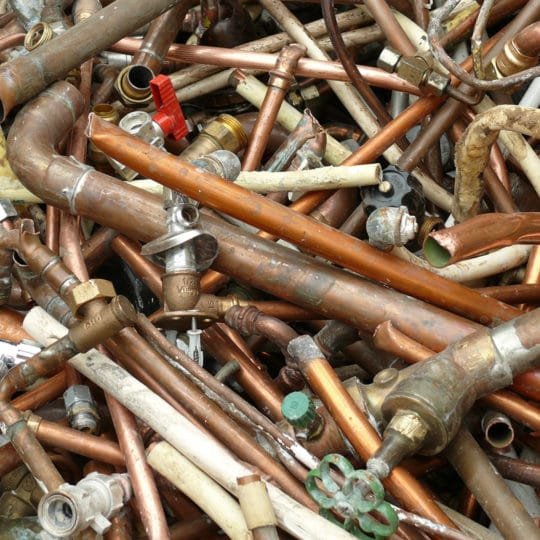
Scrap metal can take on many forms – from old appliances cluttering up your garage to discarded construction materials at a job site. What is considered scrap metal, you may wonder? In simple terms, any metal item that no longer serves its original purpose and is ready to be recycled or repurposed can be classified as scrap metal. From household items to industrial equipment, the possibilities are endless when it comes to reimagining the value of what is considered scrap metal. Let’s delve deeper into this intriguing world of metal recycling and uncover the hidden treasures within.

What is Considered Scrap Metal?
Welcome to our guide on scrap metal! If you’ve ever wondered what exactly falls under the category of scrap metal, you’re in the right place. In this article, we will explore what is considered scrap metal, its various types, how it is used, and why recycling scrap metal is important.
The Basics of Scrap Metal
Scrap metal refers to metal that is no longer wanted or needed for its original purpose. Instead of being discarded as waste, it is collected and recycled to be used again in various industries. Many everyday items, such as old cars, household appliances, and construction materials, contribute to the scrap metal supply.
Types of Scrap Metal
Scrap metal can be broadly categorized into two main types: ferrous and non-ferrous metals. Ferrous metals contain iron, while non-ferrous metals do not. Ferrous metals are often magnetic and include steel and iron, while non-ferrous metals include copper, aluminum, brass, and lead.
Common Sources of Scrap Metal
Scrap metal can be found in numerous places, such as scrapyards, construction sites, manufacturing facilities, and even in our own homes. Old cars, broken appliances, plumbing materials, and metal furniture are all common sources of scrap metal that can be recycled.
Uses of Scrap Metal
Recycling scrap metal is not only environmentally friendly but also economically beneficial. Scrap metal is used to produce new metal products, reducing the need to mine for new raw materials. It is commonly used in industries such as construction, automotive, aerospace, and electronics.
Benefits of Recycling Scrap Metal
By recycling scrap metal, we can conserve natural resources, reduce energy consumption, and decrease greenhouse gas emissions. Additionally, recycling scrap metal helps in waste reduction and saves landfill space, contributing to a cleaner and healthier environment for future generations.
Environmental Impact of Not Recycling Scrap Metal
If scrap metal is not recycled and ends up in landfills, it can take up valuable space and contribute to soil and water pollution. Improper disposal of scrap metal can also lead to harmful chemicals leaching into the environment, posing risks to human health and wildlife.
Why Recycling Scrap Metal is Important
Recycling scrap metal plays a crucial role in sustainable waste management. It helps to close the loop on the metal production cycle, promoting a circular economy where materials are reused and repurposed instead of being discarded after a single use.
Community Benefits of Scrap Metal Recycling
Scrap metal recycling creates job opportunities in the recycling industry, boosts local economies, and fosters a sense of environmental responsibility within communities. It also encourages innovation in recycling technologies and practices.
Global Impact of Scrap Metal Recycling
On a global scale, recycling scrap metal helps to reduce the demand for virgin metals, which are often extracted through environmentally destructive mining processes. By conserving resources and reducing emissions associated with metal production, scrap metal recycling contributes to a more sustainable future for our planet.
As you can see, scrap metal plays a vital role in our everyday lives and in building a more sustainable world. Whether it’s an old aluminum can or a rusted steel beam, every piece of scrap metal has the potential to be transformed into something new through recycling.
Scrap Metal Identification Guide – How To Make Money Scrapping
Frequently Asked Questions
What types of materials are typically classified as scrap metal?
Scrap metal includes various metal items that are no longer in use or considered waste, such as aluminum cans, copper wire, steel beams, and old car parts.
How can one differentiate between scrap metal and regular metal items?
Scrap metal is identified by its condition and intended use; generally, if a metal object is no longer functional or is being discarded for recycling purposes, it is considered scrap metal.
Are there specific regulations regarding the collection and disposal of scrap metal?
Yes, there are regulations governing the handling and recycling of scrap metal, including requirements for proper disposal methods, licensing for scrap metal businesses, and measures to prevent theft of valuable scrap metal.
Can scrap metal be valuable, and how is its worth determined?
Scrap metal can indeed have value based on factors like type, weight, and market demand. The worth of scrap metal is typically determined by its composition and current market prices for recycled materials.
Final Thoughts
Scrap metal includes anything made of metal that is no longer needed or wanted. This can range from old appliances and car parts to construction materials and discarded pipes. What is considered scrap metal ultimately depends on the specific industry and its use for recycling or repurposing. Remember, proper disposal and recycling of scrap metal is crucial for environmental sustainability.


